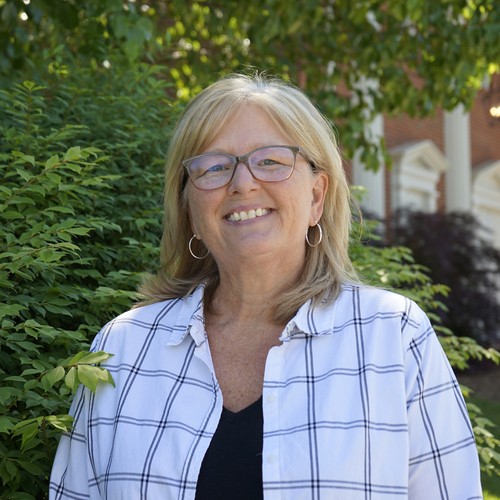

Our Elders
SCC is guided, shepherded, and protected by faithful, vocational and lay elders ho follow Jesus together. This plurality is the example we see in scripture and helps prevent one person being viewed as the leader of the church instead of Jesus.
The Bible emphasizes the role of elders as spiritual leaders, shepherds of God’s flock, and examples of godly living, deserving respect and honor.

Vocational Elders:
Mike Shillinglaw, Lead Pastor
John Setterlind, Worship Pastor
Lay Elders:
Jerry Stephens • Eddie Franklin
Robert Bolick • Matt Conley • Peter Kampf
Jerry Stephens • Eddie Franklin
Robert Bolick • Matt Conley • Peter Kampf
Role and Responsibilities of Elders
Elders in scripture are appointed to oversee and guide the spiritual health of the congregation, acting as shepherds who lead by example rather than by compulsion or for personal gain (1 Peter 5:1-3)
They are responsible for teaching, preaching, and maintaining order within the church, ensuring that the community follows God’s guidance (1 Timothy 5:17). Elders are also involved in appointing other leaders, committing them to the Lord through prayer and fasting (Acts 14:23)
Qualifications of Elders
Scripture outlines specific qualities for elders, emphasizing moral integrity, self-control, and the ability to teach. An elder must be above reproach, the husband of one wife, sober-minded, self-controlled, respectable, hospitable, gentle, not quarrelsome, and not a lover of money (Titus 1:6-9; 1 Timothy 3:2-7) . They must also manage their households well, demonstrating leadership and discipline within their family as a reflection of their ability to care for the church.
Symbolic and Spiritual Significance
Elders also appear in symbolic contexts, such as the twenty-four elders surrounding God’s throne in Revelation, representing wisdom, authority, and faithful service (Revelation 4:4). This imagery underscores the spiritual importance of elders as models of godly leadership and devotion.
Key Scripture References
- 1 Peter 5:1-3 – Elders are called to shepherd God’s flock willingly and humbly.
- 1 Timothy 5:17 – Elders who lead well are worthy of double honor.
- Titus 1:5-9 – Qualifications and responsibilities of elders.
- Acts 14:23 – Appointment of elders through prayer and fasting.
- Revelation 4:4 – Symbolic representation of elders in heaven.
In summary, biblical elders are spiritual leaders entrusted with teaching, guiding, and exemplifying godly living, and scripture emphasizes both
Our Deacons
SCC is served and ministered to by faithful deacons who serve as leaders in a wide range of church ministries. Deacons are biblical servants appointed to assist the church, characterized by integrity, faithfulness, and practical service according to scripture.
Serving as a deacon is considered a noble task, offering both spiritual reward and assurance in faith for those who serve well (1 Timothy 3:13). Deacons embody the principle of servanthood central to Christian teaching, following the example of Christ in serving others selflessly.
SCC Deacons are: Steven Mills, Jason Webb, Mike Williams , Nancy Kampf and Stephanie Mills.
Serving as a deacon is considered a noble task, offering both spiritual reward and assurance in faith for those who serve well (1 Timothy 3:13). Deacons embody the principle of servanthood central to Christian teaching, following the example of Christ in serving others selflessly.
SCC Deacons are: Steven Mills, Jason Webb, Mike Williams , Nancy Kampf and Stephanie Mills.
Biblical Basis and Role
Deacons are first mentioned in the New Testament in Acts 6:3-5, where the apostles appointed seven men of good reputation, full of the Spirit and wisdom, to serve the practical needs of the growing church, such as caring for widows, so that the apostles could focus on prayer and ministry of the Word (Acts 6:3-4). This establishes the deacon’s role as a servant-leader, supporting both the spiritual and practical functions of the church.
Qualifications of Deacons
The Apostle Paul outlines the moral and spiritual qualifications for deacons in 1 Timothy 3:8-13:
- Dignified and sincere: Deacons must be respected and honest in character.
- Not indulging in much wine or dishonest gain: They must avoid excess and greed.
- Holding the mystery of the faith with a clear conscience: They must be grounded in sound doctrine.
- Tested and blameless: Candidates should be proven trustworthy before serving.
- Faithful in family life: A deacon should manage his household well and be faithful to his spouse (1 Timothy 3:12)
Deacons Serve the Church by:
- Assisting with practical needs: Caring for the poor, widows, and other members in need.
- Supporting church leadership: Allowing elders and overseers to focus on teaching and spiritual guidance.
- Exemplifying Christian character: Serving as role models of faith, integrity, and humility (1 Peter 4:10)
Key Scriptures to Study
- Acts 6:1-7 – Appointment of the first deacons
- 1 Timothy 3:8-13 – Qualifications and responsibilities
- Philippians 1:1 – Deacons mentioned alongside overseers
- Romans 16:1 – Phoebe as a servant of the church